

What To Expect From the Silicon Valley Housing Market in the Second Half of 2026
The first half of 2026 gave buyers and sellers plenty to think about.
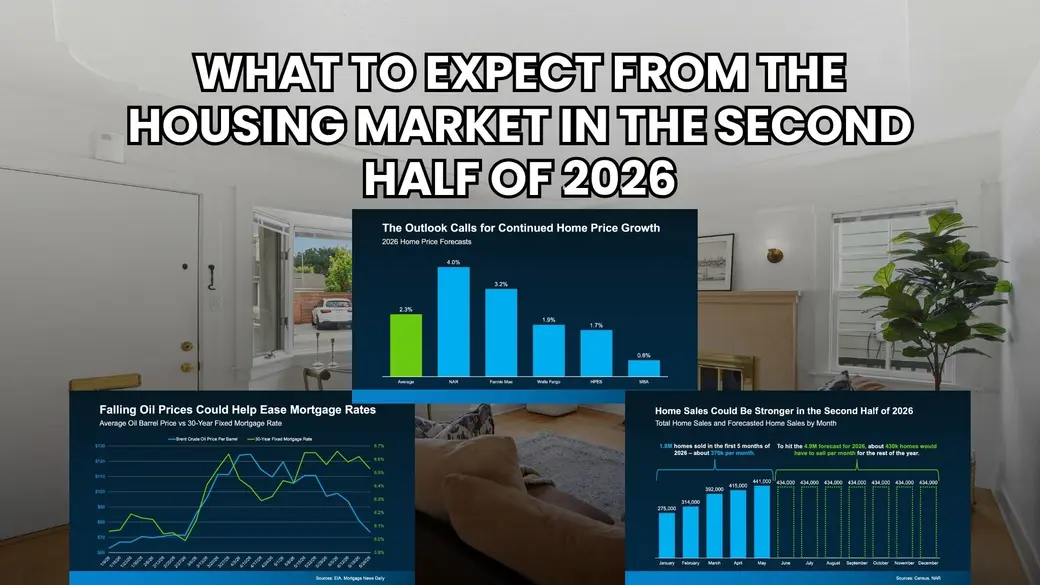
Mortgage rates stayed elevated. Affordability remained challenging. Home sales were slower than many experts expected. At the same time, inventory improved in many areas, and home prices did not crash.
So, what should Silicon Valley buyers and sellers expect for the rest of the year?
The short answer is this. The market is likely to remain active, but carefully. Buyers will keep watching payments closely. Sellers will need to price with precision. And local conditions will matter more than national headlines.
Mortgage Rates Are Likely To Stay in the 6 Percent Range
Mortgage rates continue to be one of the biggest factors shaping the market.
Freddie Mac reported that the average 30 year fixed mortgage rate was 6.49 percent as of July 9, 2026. That was up from 6.43 percent the week before, but still lower than 6.72 percent one year earlier.
For buyers, that means affordability is still tight.
For sellers, it means buyer payment sensitivity is still very real.
Fannie Mae’s June 2026 outlook also projected mortgage rates to remain around 6.4 percent for the rest of the year, which suggests buyers waiting for a dramatic rate drop may not see that relief soon.
Home Sales May Stay Slower Than Normal
The housing market is still moving, but not at the pace many people hoped for earlier this year.
In June 2026, existing home sales fell 2.4 percent from May to a seasonally adjusted annual rate of 4.09 million. The median existing home price reached $440,600, up 1.8 percent from one year earlier.
That tells us two important things.
Buyers are still cautious because of affordability.
But prices are still being supported by limited supply.
This is not a frozen market. It is a slower, more selective market.
Inventory Is Improving, but Supply Is Still Not Excessive
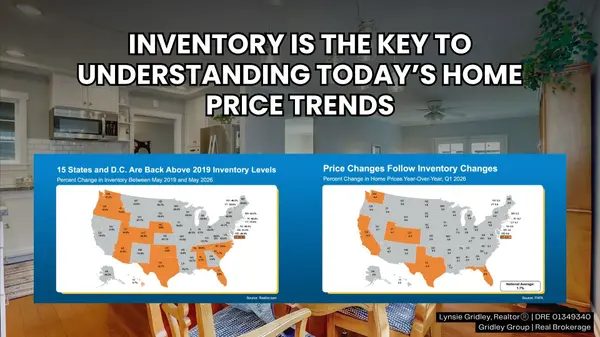
More inventory has helped buyers in many markets.
Buyers may have more homes to compare, more time to make decisions, and more room to negotiate in certain situations.
But nationally, supply is still not high enough to fully balance the market. In June, there were 1.56 million unsold homes, equal to a 4.6-month supply. That is still below the 5 to 6 months generally associated with a balanced market.
In Silicon Valley, inventory depends heavily on the city, neighborhood, property type, and price point.
A well-priced home in a desirable location may still attract strong interest. A home that needs work or enters the market above buyer expectations may take longer.
Home Prices Are Expected To Keep Rising, but More Slowly
Many buyers are still waiting for prices to fall sharply.
That is not what the national data is showing.
Prices reached a new national high in June, and the median existing home price has now increased annually for 36 straight months.
That does not mean every market is appreciating at the same pace.
Some regions are softer. The West and South have seen more price pressure in some areas, while the Midwest and Northeast have remained stronger.
For Silicon Valley, this means buyers and sellers need local data, not broad assumptions.
What This Means for Buyers
If you are buying in the second half of 2026, do not wait for perfect conditions.
Instead, focus on whether the numbers work for you.
A good buying strategy right now includes:
- Understanding your true monthly payment comfort zone
- Getting fully reviewed by a lender before touring seriously
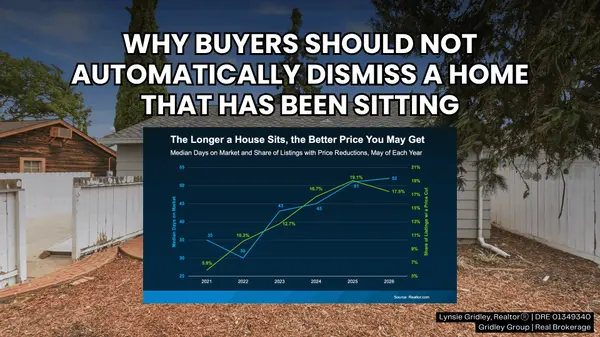
- Watching homes that have been sitting longer
- Comparing list prices with recent sales
- Asking about rate buydowns, credits, and loan options
- Staying flexible on location, condition, or timing where possible
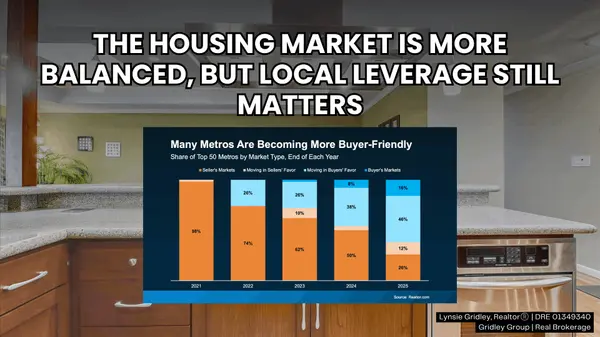
Buyers may have more leverage than they did during the most intense years, but not on every home.
The right strategy depends on the specific property.
What This Means for Sellers
If you are selling in the second half of 2026, the market can still work in your favor.
But the strategy needs to match today’s buyers.
Buyers are looking carefully at price, condition, monthly payment, and value. They are less likely to overlook deferred maintenance or chase a home that feels overpriced.
A strong seller strategy includes:
- Pricing based on current local data
- Preparing the home before launch
- Using strong photography and marketing
- Understanding competing listings
- Responding quickly to buyer feedback
- Being thoughtful about negotiation
The first impression matters more in a market where buyers have more choices.
Bottom Line
The second half of 2026 is likely to be shaped by steady but elevated mortgage rates, cautious buyers, improving inventory, and more moderate home price growth.
For Silicon Valley buyers, that may mean more opportunity, but still a need for careful budgeting.
For sellers, it means the market is not gone, but pricing and presentation matter.
The best move is not based on national headlines. It is based on your goals, your timing, and the local data around the home you want to buy or sell.
Recent Posts

Her expert knowledge, negotiation, and marketing skills combined with her high level of commitment provide a framework for lasting relationships. Lynsie commits to “Bringing you the Best!”