

Are Sellers Pulling Back? What the July Market Report Means for Silicon Valley
The second half of 2026 is starting with a more thoughtful housing market.
Across the country, more sellers are taking their homes off the market when they do not get the price or response they expected. That does not mean sellers are giving up completely. It means expectations and market conditions are not always aligned.
For Silicon Valley buyers and sellers, this is an important shift to understand.
The market is not frozen. Buyers are still buying. Sellers are still selling. But the homes that succeed right now are usually priced well, prepared well, and guided by current local data.
Are Sellers Really Giving Up?
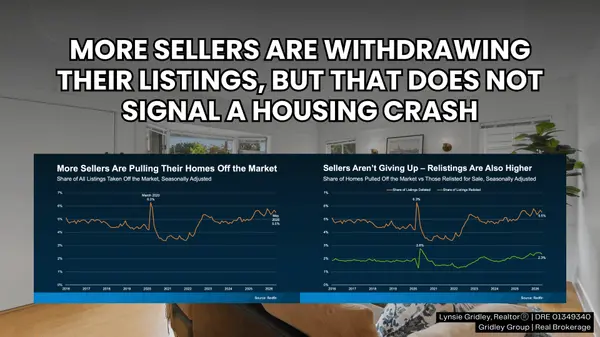
One of the biggest headlines right now is the rise in delistings.
A delisting happens when a home is taken off the market before it sells. According to the July market report, 5.8 percent of all United States home listings were taken off the market in April. That is tied with December 2025 for the highest share since March 2020.
This is not just a random trend. It is a signal.
Some sellers entered the market expecting the fast pace and strong pricing power of a few years ago. But today’s buyers have more choices, more payment pressure, and more willingness to wait for the right fit.
When a home does not receive the expected attention, some sellers are choosing to pause rather than reduce the price.
Three Forces Are Reshaping the Market
The report highlights three forces behind this shift.
Recent inventory growth.
Shifting prices.
Longer days on market.
Each one matters.
Inventory has been rising for four straight years. After the low inventory years of the pandemic market, more homes have gradually come back onto the market. That gives buyers more choice and creates more competition among sellers.
At the same time, sellers are still adjusting to a different pricing environment. A Realtor.com survey showed that 80 percent of sellers expect to get their asking price or more. But recent data shows that 62 percent of homes sold below the asking price.
That gap between expectation and reality is one of the biggest challenges in today’s market.
Homes Are Taking Longer To Sell
Homes are also taking longer to sell.
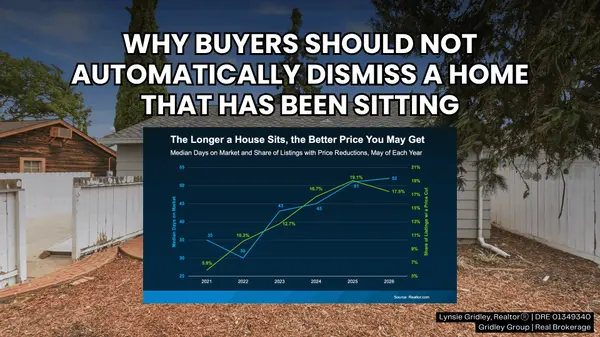
In May, the typical home spent 52 days on the market nationally. That is much closer to the pace we saw before the unusually fast pandemic market.
For sellers, this does not mean something is wrong.
It means the market is more normal, more selective, and more price-sensitive.
In Silicon Valley, the number of days on market can vary widely by city, neighborhood, price point, condition, and school district. A well-prepared home in a high-demand area may still move quickly. A home that is overpriced or needs work may take longer.
The key is knowing which market your home is actually competing in.
Why Pricing Matters So Much Right Now
In this market, pricing is not just a number. It is the strategy.
Buyers are watching closely. They can see when a home has been sitting. They can see price adjustments. They can compare your home to similar listings in real time.
If a home is priced too high, buyers may not even come through the door.
If it sits too long, they may begin to wonder what they are missing.
That does not mean sellers need to underprice. It means the list price should be grounded in current data, current competition, and current buyer behavior.
A strong launch still matters. In many cases, it matters more than ever.
What This Means for Silicon Valley Sellers
If you are thinking about selling in Silicon Valley, the best thing you can do is start with a clear view of the current market.
That means looking at:
Active competition.
Recent comparable sales.
Pending sales.
Buyer feedback.
Days on market.
Condition and presentation.
Price reductions nearby.
The market is still rewarding homes that are prepared and positioned well. But it is less forgiving of overpricing.
Some sellers are choosing to wait because they do not need to move. That is completely valid. But if you do need or want to sell, the right strategy can make a meaningful difference.
What This Means for Silicon Valley Buyers
For buyers, this market may offer more opportunity than the last few years.
More inventory can mean more choice. Longer days on market can create room for conversation. Some sellers may be more open to negotiation, especially if their home has been sitting.
That said, well-priced homes in desirable Silicon Valley neighborhoods can still attract strong interest.
The best approach is to be prepared before the right home appears.
Know your budget. Understand your monthly payment. Review the condition carefully. And pay attention to how the home compares with other options.
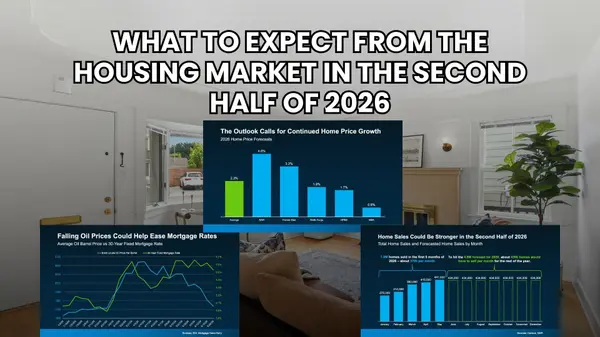
What Could Happen in the Second Half of 2026?
The July report suggests the second half of the year may be modestly better for home sales.
Mortgage rates are expected to remain relatively stable, with major forecasts pointing to the mid-six percent range. There is also some possibility that lower oil prices could help ease inflation pressure, which may be favorable for mortgage rates over time.
Home price forecasts still call for growth nationally, with an average projection of about 2.3 percent for 2026.
That does not mean every market will rise the same way.
Real estate is local. Silicon Valley will continue to move differently from other parts of the country, and even within Silicon Valley, each neighborhood has its own pattern.
Expired Listings Tell an Important Story
The report also points to a large number of expired and canceled listings.
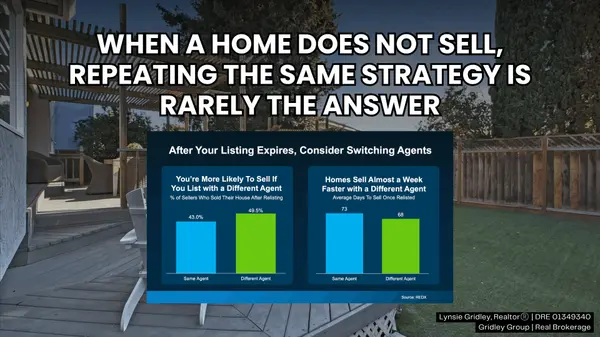
Over the past 12 months, 2.6 million listings expired or were canceled nationally, and 51 percent never relisted. That means many homeowners still wanted to sell but did not reach the outcome they hoped for.
For sellers, this is a reminder that the first strategy may not always be the right strategy.
Sometimes a home needs a reset. That could mean new pricing, better preparation, stronger marketing, improved photography, or a different approach to buyer feedback.
The Bottom Line
The Silicon Valley housing market is not falling apart. It is becoming more disciplined.
Buyers have more options.
Sellers have more competition.
Homes are taking longer to sell.
Pricing and presentation matter more.
The second half of 2026 may bring steady activity, but success will depend on having the right plan.
For buyers and sellers, the best decisions will come from current local data, realistic expectations, and a strategy built around the specific property and neighborhood.
Recent Posts

Her expert knowledge, negotiation, and marketing skills combined with her high level of commitment provide a framework for lasting relationships. Lynsie commits to “Bringing you the Best!”