

What Rising Inflation Means for Buyers and Sellers in Silicon Valley
Inflation is back in the headlines, and that can make the housing market feel even more uncertain.
If you are thinking about buying or selling in Silicon Valley, it is important to understand what inflation actually means for your move.
The short version is this. Inflation can keep mortgage rates elevated, which affects affordability. But it does not automatically mean the housing market is headed for trouble.
The better approach is to look at the full picture and make a plan based on your situation.
What Inflation Is Telling Us Right Now
One of the key inflation measures economists watch is the Personal Consumption Expenditures Price Index, often called PCE.
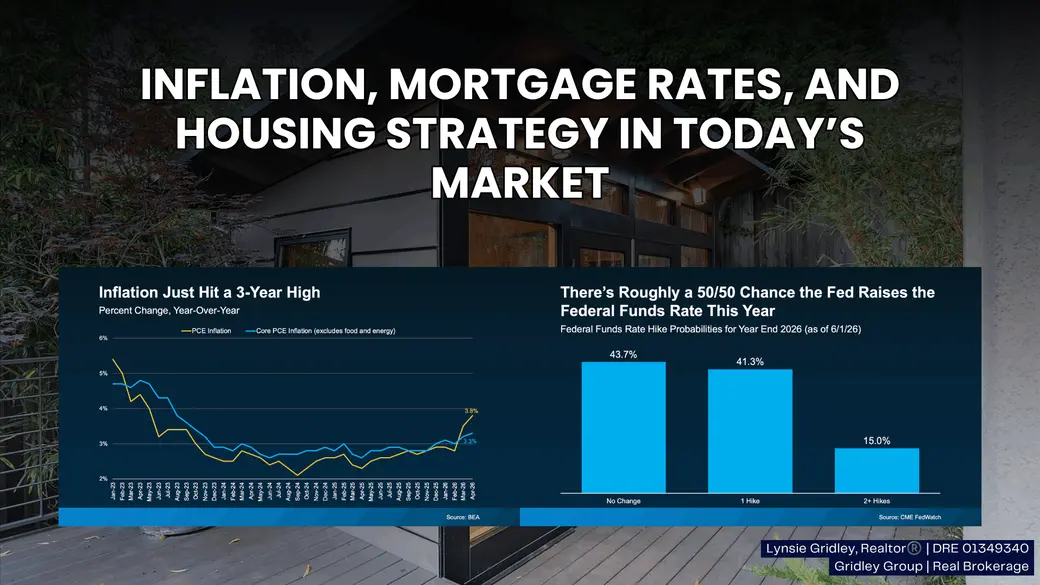
The Federal Reserve pays close attention to core PCE, which removes food and energy because those categories can move sharply from month to month. According to the Bureau of Economic Analysis, core PCE was up 3.3 percent from a year earlier in April 2026, compared with 3.2 percent in March and 3.0 percent in February.
That tells us inflation is still running above the Federal Reserve’s comfort zone.
Energy prices and global uncertainty can also affect the broader inflation picture. When oil and energy costs rise, that can put pressure on transportation, goods, services, and consumer expectations.
Why Inflation Matters for Mortgage Rates
Mortgage rates are not set directly by the Federal Reserve, but they are influenced by inflation expectations, bond yields, and investor confidence.
When inflation is sticky, investors often expect rates to stay higher for longer. That can put upward pressure on mortgage rates.
As of June 4, 2026, Freddie Mac reported the average 30-year fixed mortgage rate at 6.48 percent, down from 6.53 percent the prior week. A year earlier, Freddie Mac reported the average was 6.85 percent.
So, rates are lower than they were a year ago, but still high enough to affect affordability in a meaningful way.
In Silicon Valley, where home prices are already elevated, even a small movement in mortgage rates can change the monthly payment significantly.
Could Rates Stay Higher for Longer
Earlier this year, many buyers hoped mortgage rates would move lower.
Now, markets are less certain.
Reuters reported that after a stronger than expected May jobs report, interest rate futures showed a 68.4 percent probability of a Federal Reserve rate increase by the December 2026 meeting, according to CME FedWatch.
That does not mean a rate hike is guaranteed. It does mean expectations have shifted.
If inflation remains stubborn and the economy stays stronger than expected, mortgage rates may not fall as quickly as many buyers hoped.
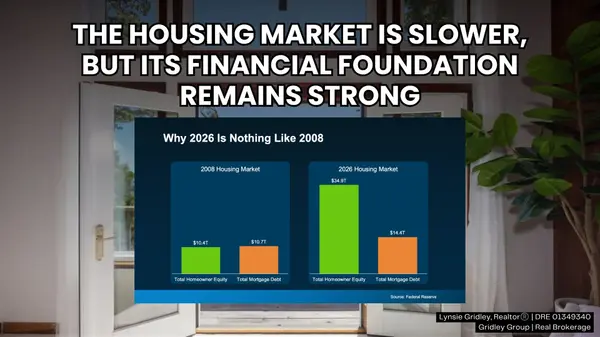
Why This Is Not 2008
A tougher affordability environment does not mean the housing market is crashing.
Today’s market is very different from the years leading into 2008.
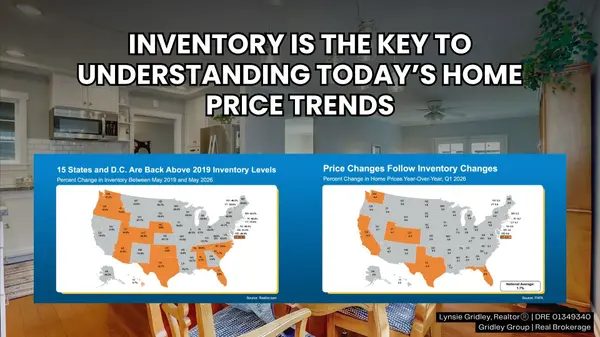
Inventory remains limited in many areas. Lending standards are stronger. Many homeowners have substantial equity. And the current challenge is largely affordability, not a wave of distressed sellers who owe more than their homes are worth.
That distinction matters.
A market can feel difficult without being unstable.
What This Means for Buyers
If you are buying in Silicon Valley, this is not the kind of market where waiting for perfect conditions is always the best strategy.
Rates may improve later, but there is no guarantee on timing. And if rates do come down, more buyers may reenter the market, which could increase competition.
Instead of trying to predict the perfect moment, focus on what you can control.
Know your true monthly payment comfort zone.
Talk with a trusted lender about current loan options.
Ask about rate buydowns, adjustable-rate mortgages, and assistance programs if appropriate.
Compare homes by total cost, not just list price.
Stay flexible on location, timing, or property type where you can.
The goal is not to force a purchase. It is to understand whether a move makes sense based on today’s numbers.
What This Means for Sellers
Inflation and mortgage rates affect sellers too.
When buyers are payment sensitive, pricing and presentation matter even more.
A well-prepared home that is priced thoughtfully can still attract strong interest. But a home that feels overpriced may get overlooked quickly because buyers are comparing every option carefully.
For sellers in Silicon Valley, this means strategy matters from day one.
That includes market-based pricing, strong presentation, clear marketing, and understanding how affordability affects buyer behavior.
Bottom Line
Inflation is still above where the Fed wants it to be, and that means mortgage rates may stay elevated for a while.
But that does not mean buyers and sellers are out of options.
In Silicon Valley, the best strategy is not waiting for a perfect market. It is understanding your numbers, watching the local data, and making a plan that fits your goals.
Recent Posts


Her expert knowledge, negotiation, and marketing skills combined with her high level of commitment provide a framework for lasting relationships. Lynsie commits to “Bringing you the Best!”