

What the Second Half of 2026 May Mean for the Silicon Valley Housing Market
As we reach the middle of 2026, many Silicon Valley buyers and sellers are asking the same question.
Will the housing market become more active during the second half of the year?
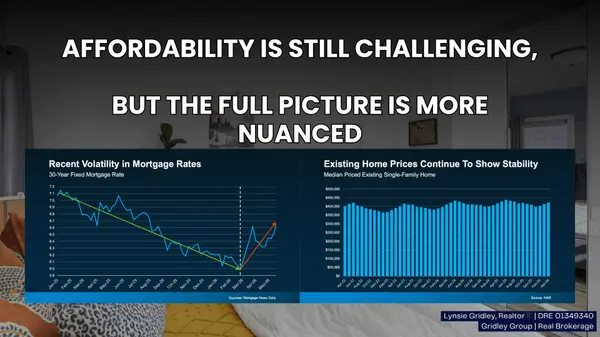
The answer is not a simple yes or no. Mortgage rates remain a challenge, affordability continues to shape demand, and home price trends vary widely by location. At the same time, people are still moving because life keeps changing.
The June housing data points to a slower and more selective market, but not a collapsing one.
Home Sales Forecasts Have Been Revised
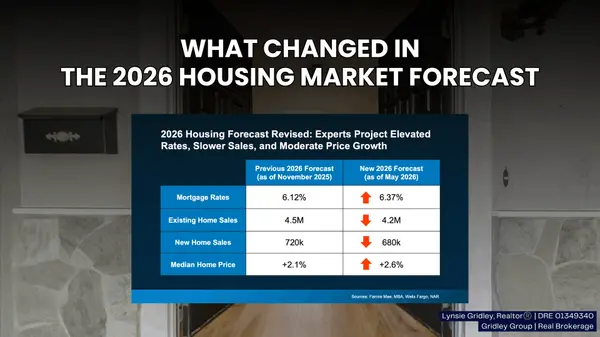
At the beginning of the year, economists expected a stronger increase in home sales. Those projections have since been reduced.
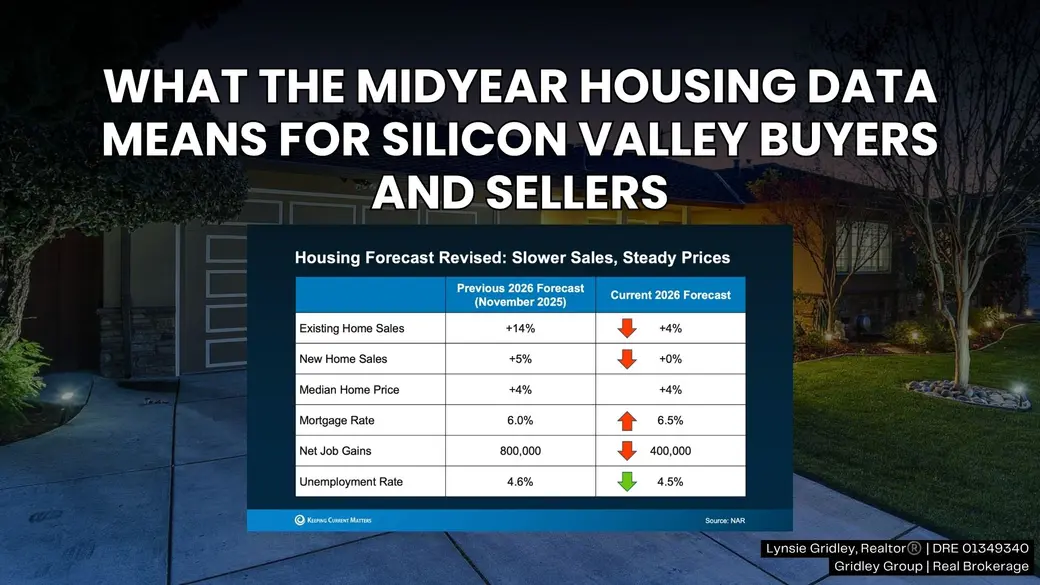
The latest national forecast now calls for existing home sales to rise about 4 percent this year, compared with an earlier projection of 14 percent. New home sales are expected to remain close to flat.
Mortgage rates are one reason for the adjustment. Earlier forecasts expected rates to average closer to 6 percent. Updated expectations place them closer to 6.5 percent.
Higher borrowing costs affect purchasing power, particularly in an expensive market such as Silicon Valley. Some buyers have paused their plans, while others have reduced their budgets or expanded their search areas.
Forecasts are not guarantees. They are simply a reflection of the information available today.
Home Price Growth Is Slowing
Home prices are not moving in the same direction everywhere.
Some markets are still appreciating. Others are relatively flat, and some are experiencing modest declines.
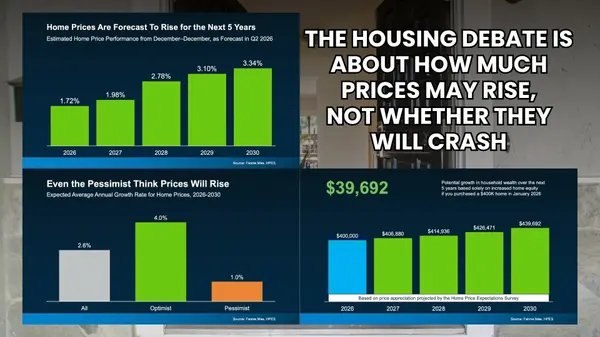
Nationally, price growth has slowed as inventory has increased and buyer demand has become more limited. This is very different from the rapid appreciation seen during the earlier years of the decade.
A helpful way to think about it is that the market has taken its foot off the accelerator. Prices may still be moving forward, but at a much slower speed.
In Silicon Valley, the picture is even more local. Price movement can vary by city, neighborhood, school district, price range, property condition, and available competition.
Broad national headlines rarely tell the full local story.
Inventory Is Shaping Local Prices
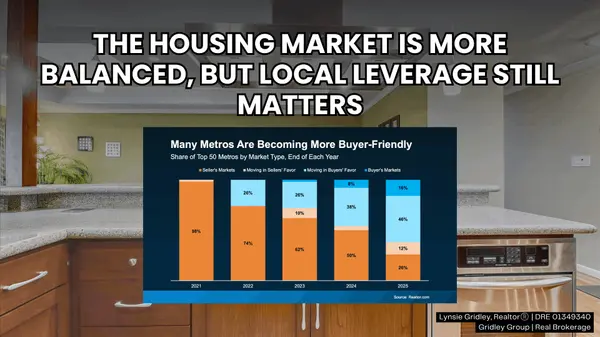
Inventory has been rising nationally for several years.
That does not automatically mean there is an oversupply of homes. It means buyers generally have more options than they did during the most competitive years.
Markets with inventory above earlier norms are more likely to experience softer pricing. Markets with limited inventory tend to maintain stronger price support.
This relationship is important for both buyers and sellers.
For buyers, more inventory can create additional time and negotiating room.
For sellers, more competition makes accurate pricing, preparation, and presentation increasingly important.
Pricing Strategy Is Critical
Homes that are priced appropriately and presented well can still attract meaningful interest. Some may receive multiple offers.
Homes that begin too far above current market value are more likely to sit, require reductions, or become less appealing as buyers continue to compare them with newer listings.
Silicon Valley is not one single market. A home in one neighborhood may receive immediate attention while a similar home a few miles away may take longer to sell.
The strongest pricing strategy should consider recent comparable sales, active competition, property condition, location, buyer demand, and current financing conditions.
Pricing based on a past market can create unnecessary difficulty in the present one.
Serious Sellers May Create Opportunity for Buyers
Some homeowners who do not need to move are choosing to stay put.
That means many of the sellers who are currently on the market have a genuine reason to sell. They may be relocating, downsizing, moving closer to family, changing jobs, or responding to another major life event.
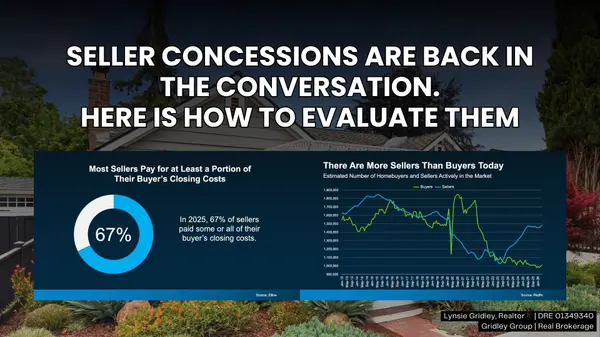
For buyers, that can create opportunities for practical conversations about timing, repairs, credits, or other terms.
It does not mean every seller will negotiate. It means the transaction may be driven by a real need rather than speculation.
Life Events Continue To Drive the Market
People rarely make major housing decisions based only on interest rates.
They buy and sell because their lives change.
A new job may require a move. A growing family may need more space. Retirement may create a desire to downsize. Health needs may change what type of home works best. Family members may want to live closer together.
These personal factors often become more important than trying to identify the perfect moment in the market.
The right timing depends on the household, not just the headline.
Foreclosure Activity Is Rising, but This Is Not 2008
Foreclosure filings have increased from the unusually low levels seen during the pandemic period.
That deserves attention, but it also requires context.
Current foreclosure activity remains far below the levels recorded during the housing crisis. Today’s homeowners are generally in a much stronger financial position.
Many have substantial equity, and a large share have mortgage rates below 4 percent. Nearly 40 percent of homes nationally are owned free and clear, while many other homeowners hold at least 50 percent equity.
This gives struggling homeowners more options than many had during the last major downturn.
Some may be able to sell and preserve equity rather than lose the home through foreclosure.
What This Means for Silicon Valley Buyers
Buyers may have more choices and more negotiating room than they did a few years ago.
However, affordability remains a real concern, and well-positioned homes can still attract strong interest.
Before beginning a search, buyers should understand their complete monthly cost, not only the mortgage payment. Property taxes, insurance, possible association dues, maintenance, and future improvements should all be considered.
A clear financial plan can make the search more focused and less stressful.
What This Means for Silicon Valley Sellers
Sellers should not assume that every home will sell quickly or above asking.
The strongest results generally come from careful preparation, accurate pricing, quality marketing, and a willingness to respond to buyer feedback.
Current value should be based on current evidence.
A local market analysis can help identify how similar homes are performing, what buyers are responding to, and where the listing should be positioned.
The Bottom Line
The second half of 2026 may remain slower than economists originally expected.
That does not mean the Silicon Valley market lacks opportunity.
Buyers have more options. Sellers with a clear reason to move are still entering the market. Home prices remain supported in areas where inventory is limited. Strong homeowner equity continues to provide stability.
The market is more selective, more local, and more dependent on strategy.
For buyers and sellers, the most useful guidance will come from current Silicon Valley data and a plan built around their individual goals.
Recent Posts


Her expert knowledge, negotiation, and marketing skills combined with her high level of commitment provide a framework for lasting relationships. Lynsie commits to “Bringing you the Best!”