

Think Home Prices Will Crash? What Silicon Valley Buyers Should Know
One of the biggest reasons some buyers are still waiting is the belief that home prices are about to fall sharply.
That concern is understandable.
No one wants to buy a home and immediately feel like they overpaid. And no one wants to make a major financial decision right before values decline.
But the latest data does not point to a nationwide housing crash.
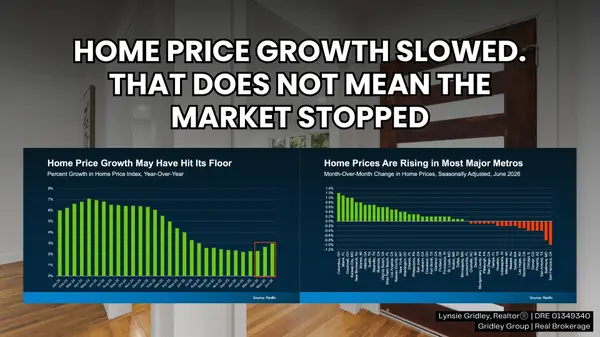
Some markets are seeing modest price adjustments. Others are still appreciating. The picture varies by location, which is why national headlines can be misleading.
Most Markets Are Still Seeing Price Growth
Realtor.com reported that home prices increased from a year earlier in 71 percent of United States metropolitan areas during the first quarter of 2026. That means some markets are cooling, but most are not experiencing annual price declines.
This distinction matters.
A few markets posting lower prices does not mean prices are falling everywhere. Real estate is local, and the experience in one part of the country may look very different from what is happening in Silicon Valley.
Experts Are Not Forecasting a National Crash
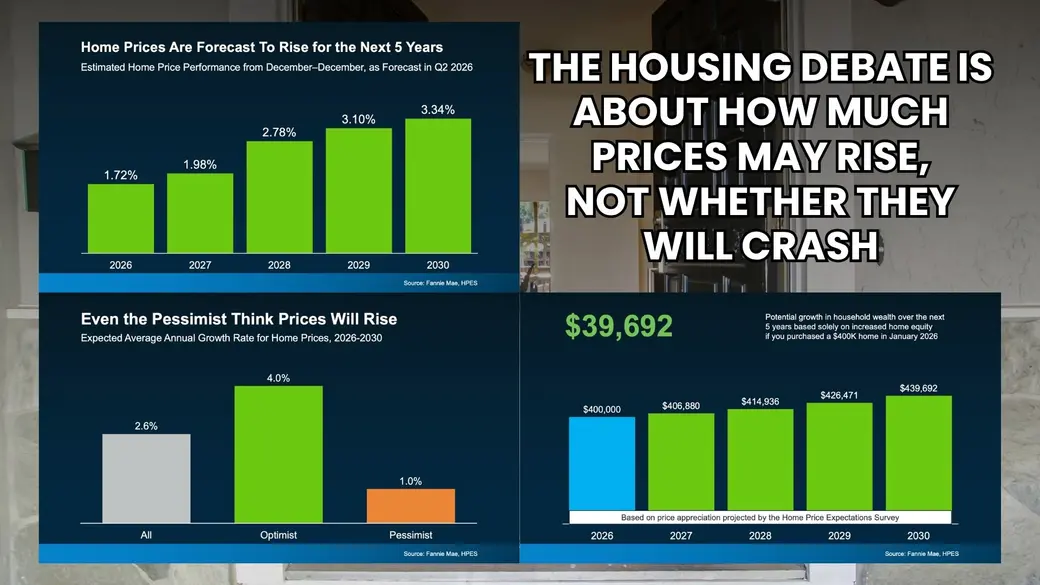
Fannie Mae’s Home Price Expectations Survey polls more than 100 housing experts from the industry and academic community. Participants provide forecasts for national home price changes over each of the coming five years.
The latest survey was published in May 2026, and the central expectation remains continued national price growth rather than a broad collapse.
That does not mean prices will rise at the rapid pace buyers and sellers saw during the pandemic years.
The expectation is for more moderate growth.
That is a much different outlook from a crash.
Even Cautious Forecasts Expect Long-Term Growth
Housing experts do not all agree on the exact pace of appreciation.
Some are more optimistic. Others are more cautious.
But the broader debate is usually about how much prices may rise, not whether the national market will lose a dramatic amount of value.
That matters for buyers who are waiting for a widespread decline before making a move.
The decline they are waiting for may not happen.
Why Prices Continue To Receive Support
There are several reasons experts are not forecasting another 2008-style collapse.
Housing supply remains limited in many markets.
Many homeowners have strong equity positions.
Most current owners have fixed mortgage payments and are not facing the risky loan structures that contributed to the last housing crisis.
Lending standards are also much stronger than they were before 2008.
Together, those conditions reduce the likelihood of a wave of distressed sales flooding the market.
What This Means in Silicon Valley
Silicon Valley should never be evaluated solely through national averages.
Local prices are influenced by inventory, employment, neighborhood demand, property condition, school preferences, commute patterns, and price point.
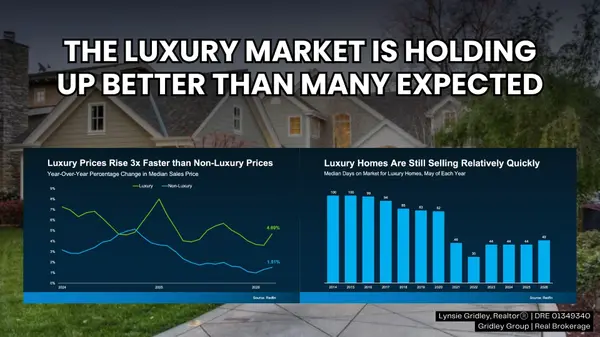
Some segments may soften while others remain competitive.
A thoughtfully priced home in a desirable location can still attract several buyers. A home that needs work or enters the market above buyer expectations may take longer and require adjustment.
That is normal market variation, not necessarily evidence of a crash.
What Buyers Should Consider Before Waiting
Waiting can make sense when you need more time to save, improve your credit, or become comfortable with the monthly payment.
But waiting only because you expect a large price drop carries its own risk.
If prices continue rising gradually, the same home may cost more later. You may also miss the chance to build equity through mortgage paydown and appreciation.
The better questions are the following:
Can you comfortably afford the payment?
Do you plan to stay in the home for several years?
Does the property fit your life and long-term goals?
Do you have enough savings left after closing?
Those questions are usually more useful than trying to predict the exact bottom of the market.
What Sellers Should Understand
For sellers, the absence of a national crash does not mean every home will automatically rise in value or sell quickly.
Buyers are still sensitive to price and monthly payment.
Pricing, preparation, presentation, and local competition all matter.
A realistic view of the market will usually produce a better result than relying on broad appreciation forecasts alone.
Bottom Line
Some markets are seeing modest price declines, but most are still posting annual growth, and housing experts are not forecasting a nationwide crash.
In Silicon Valley, the outcome will depend on the neighborhood, property, price point, and local supply.
If you are deciding whether to buy now or wait, the most useful step is understanding what prices are actually doing in the part of the market that matters to you.
Recent Posts




Her expert knowledge, negotiation, and marketing skills combined with her high level of commitment provide a framework for lasting relationships. Lynsie commits to “Bringing you the Best!”