

Home Price Growth Slowed Down. What That Means for Silicon Valley Buyers and Sellers
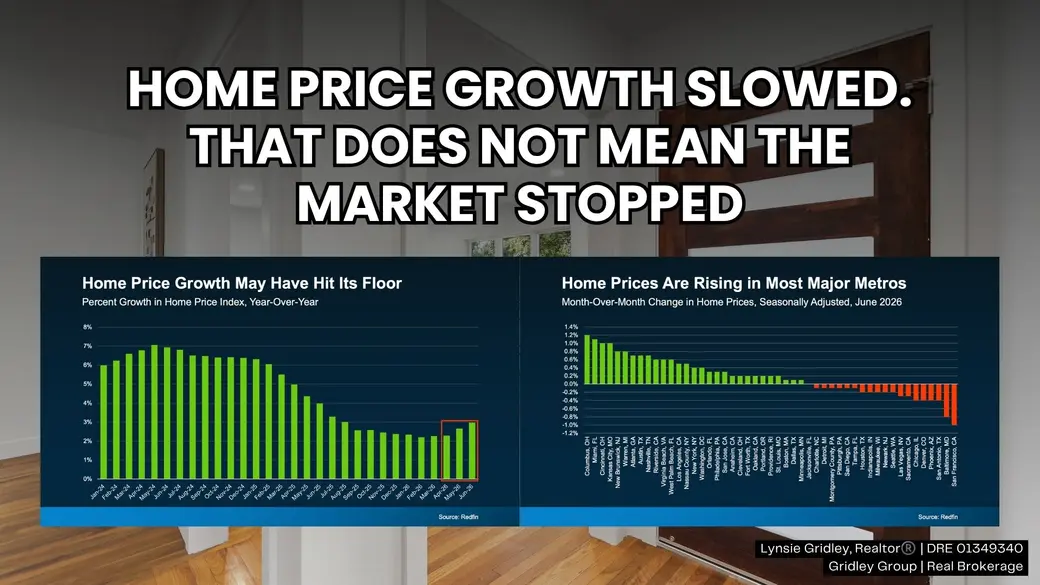
Home price growth has slowed.
For buyers, that may sound like welcome news. For sellers, it may raise questions about whether the market is losing strength.
The truth is more balanced.
Nationally, home prices are still rising, but at a much slower pace than the rapid growth buyers and sellers saw a few years ago. In some markets, prices are flat or slightly down. In others, especially where inventory remains limited, prices are still moving higher.
That is why local context matters so much in Silicon Valley.
Home Prices Are Still Rising, Just More Slowly
Recent national data shows home price growth has cooled.
The S&P CoreLogic Case-Shiller National Home Price Index was up 1.1 percent from a year earlier in May 2026. That is modest growth, especially compared with May 2025, when the same index was up 2.4 percent annually. After adjusting for inflation, home prices declined in real terms.
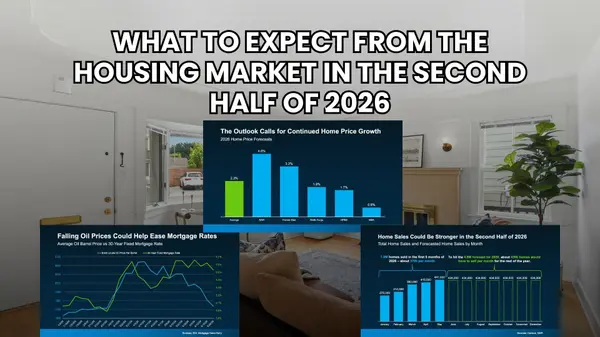
Realtor.com also revised its 2026 home price growth forecast lower. It now expects existing home prices to rise 1.2 percent this year, down from its original forecast of 2.2 percent.
So, prices are not broadly crashing. But they are also not climbing the way they did during the most competitive years.
Why Price Growth Slowed
The main reason is affordability.
Mortgage rates have stayed higher than many buyers hoped. Inflation has also remained a concern, and buyers are watching monthly payments carefully.
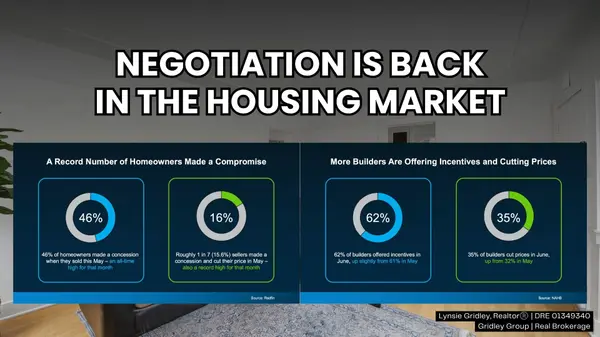
When buyers have less room in the budget, they become more selective. They compare homes more closely, negotiate more thoughtfully, and pass on listings that feel overpriced.
Realtor.com noted that sellers are adjusting by lowering asking prices upfront rather than listing too high and cutting later. That can create a more functional market because buyers are more likely to respond when the starting price feels realistic.
Why Price Growth May Be Changing Again
Even though price growth slowed, there are signs buyers are still responding when homes are priced correctly.
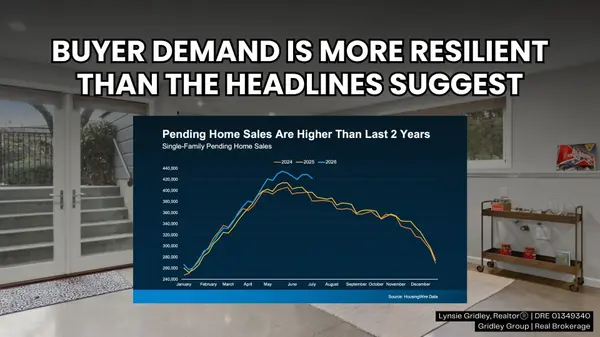
Realtor.com reported that pending sales rose 3.7 percent from a year earlier in June, marking the seventh straight month of annual growth. At the same time, the share of listings with a price cut fell compared with last year.
That combination matters.
It suggests buyers are not gone. They are responding to more realistic pricing.
If demand continues to improve and inventory does not rise sharply, price growth could stabilize or begin to firm up again in some markets.
Inventory Still Explains the Local Story
Home prices do not move the same way everywhere.
Markets with more supply tend to give buyers more leverage. Markets with limited supply tend to support prices more.
Realtor.com reported that active inventory reached just over 1.1 million listings in June 2026, up 1.9 percent from a year earlier. But the West saw only a 0.3 percent increase in inventory, far less than the Northeast and Midwest.
That matters for Silicon Valley.
If inventory remains limited in a specific neighborhood or price range, prices may hold up better. If several comparable homes are available at once, buyers may have more room to negotiate.
What This Means for Silicon Valley Buyers
For buyers, slower price growth may create an opening.
You may have more room to compare homes, revisit listings that have been sitting, and negotiate when the data supports it.
That could include:
- A better purchase price
- Help with eligible closing costs
- Repair credits
- Included appliances
- Flexible timing
- A lender-approved rate buydown
But this is not a market where every home is automatically negotiable.
A well-priced Silicon Valley home in a strong location can still attract serious interest. Buyers should stay prepared, know their numbers, and understand the local competition before making an offer.
What This Means for Silicon Valley Sellers
For sellers, slower price growth is not bad news. It is useful information.
Buyers are still active, but they are more selective.
That means your pricing strategy needs to reflect today’s market, not the market from a few years ago.
The best approach is to focus on:
- Current comparable sales
- Active competing listings
- Days on market
- Price reductions nearby
- Property condition
- Buyer feedback
- Presentation and marketing
If the home is priced and presented well, it can still perform. But if the price is too ambitious, buyers may simply move on.
Bottom Line
Home price growth has slowed nationally, but that does not mean prices are crashing.
It means the market is adjusting to affordability, inventory, and buyer expectations.
In Silicon Valley, the next move in prices will depend on local supply and demand. Buyers may find more opportunity, while sellers still have a path to success when they price and position the home correctly.
The best strategy is not based on a national headline. It is based on the data around your specific neighborhood, price point, and property type.
Recent Posts

Her expert knowledge, negotiation, and marketing skills combined with her high level of commitment provide a framework for lasting relationships. Lynsie commits to “Bringing you the Best!”