

What the Long Term Data Says About Home Prices in Silicon Valley
One of the biggest questions buyers are asking right now is simple.
What if home prices go down after I buy?
It is a fair question, especially with economic headlines and conversations about affordability everywhere. Buying a home is a major financial decision, and most buyers want confidence they are making a smart long-term move.
The important thing is to separate short-term headlines from long-term trends.
What the Long-Term Data Shows
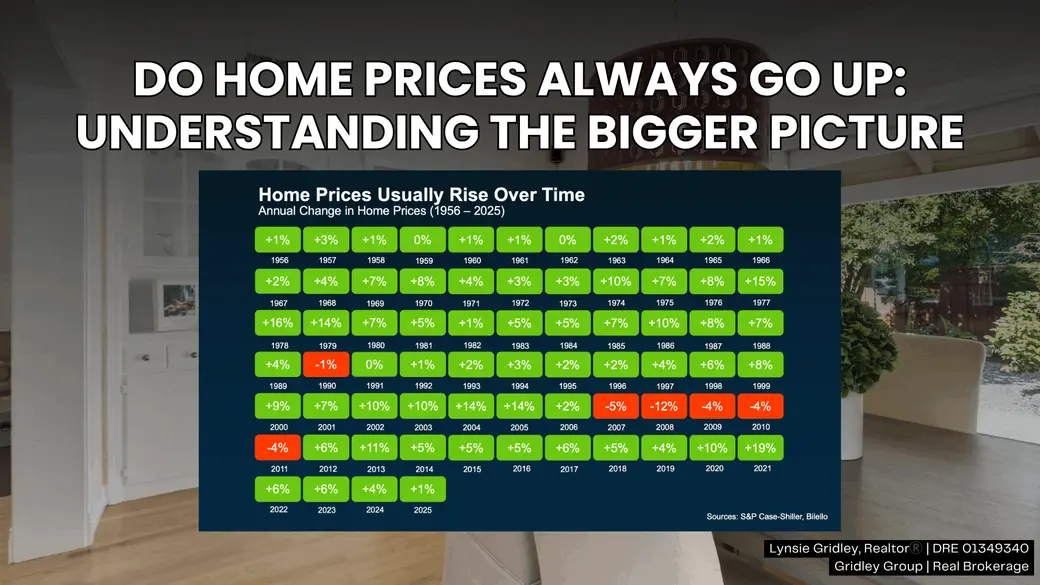
When you step back and look at housing data over several decades, one trend becomes very clear.
Home prices have historically trended upward over time.
There have been short periods where prices softened or leveled out, but outside of the housing crash years, values have generally remained stable or appreciated over the long run.
That does not mean every market behaves the same way every year. Real estate is local. Some areas experience temporary slowdowns while others continue to grow.
But historically, housing has shown long-term resilience.
Why Home Prices Tend To Rise
There are several reasons home values generally increase over time.
Ongoing Housing Demand
People continue to move for jobs, family changes, lifestyle shifts, and other major life events. Housing demand evolves, but it does not disappear.
Limited Housing Supply
Even with more homes coming onto the market recently, many areas still face long-term housing shortages relative to demand.
In Silicon Valley especially, inventory constraints continue to shape the market.
Inflation and Replacement Costs
Over time, the cost of land, labor, materials, and construction increases. Those factors naturally contribute to rising home values over the long term.
What Buyers Should Focus On
Trying to perfectly time the market is extremely difficult.
The more important question is often whether buying aligns with your personal goals, financial comfort level, and expected timeline.
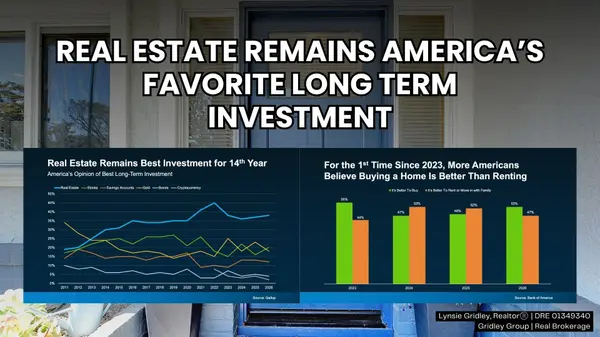
Historically, homeownership tends to work best as a long-term investment rather than a short-term one.
That is why many financial professionals recommend buying only when you expect to stay in the home for several years.
Why Silicon Valley Is Unique
Silicon Valley has historically benefited from strong long-term demand driven by jobs, innovation, and limited land availability.
That does not mean prices move upward every single year without interruption. Like any market, there can be periods of adjustment.
But the long-term trends have generally reflected continued demand and constrained supply.
A Balanced Perspective
Buying a home should never be based solely on fear of missing out or trying to predict short-term market movement.
It should be based on whether the purchase makes sense for your life and long-term plans.
Bottom Line
Home prices may experience short-term shifts, but historically they have shown a strong long-term pattern of appreciation.
In Silicon Valley, long-term demand and limited supply continue to support the market over time.
If you want to better understand local market trends and how they relate to your personal goals, I am always happy to help you think it through.
Recent Posts


Her expert knowledge, negotiation, and marketing skills combined with her high level of commitment provide a framework for lasting relationships. Lynsie commits to “Bringing you the Best!”