

Home Prices Are Still Rising Nationally, but Silicon Valley Tells a More Nuanced Story
National home prices are still rising, but the local story is more layered.
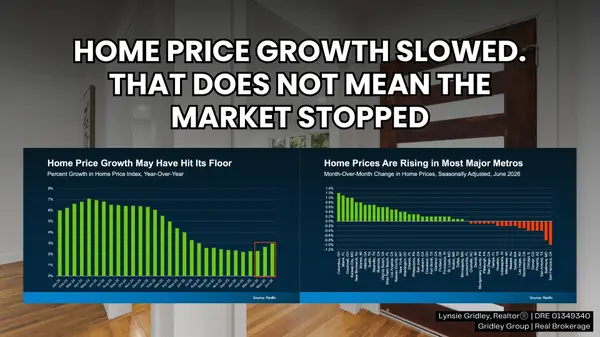
According to the National Association of Realtors, home prices increased in 80% of metro markets during the second quarter of 2026. That is up from 71% of metro markets in the first quarter. The national median price for a single-family existing home reached $434,900, up 1.5% from 1% a year earlier.
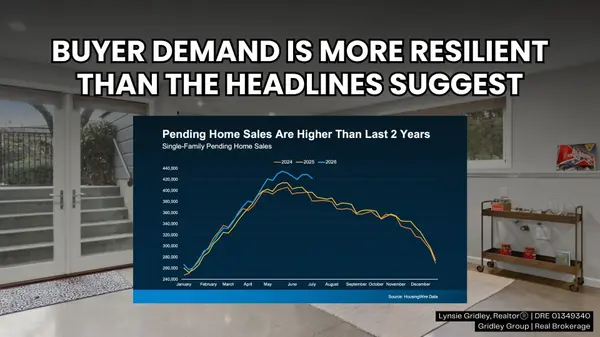
That shows the market is still holding up better than many headlines suggest.
But in Silicon Valley, the details matter.
National Prices Are Still Moving Up
Even with higher mortgage rates and affordability challenges, most metro areas are still seeing home prices rise.
That does not mean prices are accelerating everywhere. It means the national market is still being supported by buyer demand, income growth, and limited supply in many areas.
NAR Chief Economist Lawrence Yun noted that home sales increased even as mortgage rates rose, pointing to potential housing demand supported by steady job and income gains.
For buyers, this is a reminder that waiting for a broad price collapse may not be the most reliable strategy.
For sellers, it is a reminder that demand is still present, but pricing needs to match local conditions.
Affordability Is Still the Big Challenge
NAR reported that the average 30-year mortgage rate ranged from 6.23% to 6.53% between April and June 2026. That was lower than the same period in 2025, when rates ranged from 6.62% to 6.89%.
That helped improve affordability slightly.
NAR says the typical monthly mortgage payment for a buyer with 20% down was about $52 lower than one year earlier. For first-time buyers putting about 10% down, the monthly payment was about $49 lower than last year.
That is helpful, but it does not erase the affordability issue.
In Silicon Valley, where prices are much higher than the national median, even small changes in rates, price, insurance, or taxes can have a major effect on the monthly payment.
The West Is Moving Differently
The regional data shows why local context is so important.
NAR reported that prices rose 3.8% in the Northeast, 3.6% in the Midwest, and 1.0% in the South. The West was the exception, with prices down 0.8% year over year.
That does not mean every Western market is weak.
It means price growth is uneven.
Some markets are still rising. Others are flat. Some are adjusting after years of significant appreciation.
Silicon Valley Remains One of the Most Expensive Markets in the Country
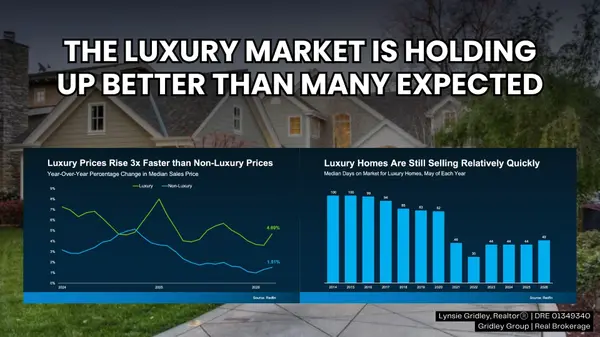
The San Jose, Sunnyvale, and Santa Clara metro areas ranked as the most expensive market in the country during the second quarter of 2026, with a median single-family existing home price of $2,050,000. NAR also reported that this was down 4.2% from one year earlier.
That is the kind of nuance buyers and sellers need to understand.
Silicon Valley can be both highly valuable and adjusting at the same time.
A year over year decline in the median price does not automatically mean every home has lost value. Median price can shift based on the mix of homes sold, the number of higher-priced sales, inventory, buyer demand, and the specific neighborhoods included in the data.
But it does show that pricing needs to be thoughtful.
What This Means for Buyers
For buyers, the latest data creates two important takeaways.
First, national prices are still rising in most markets, so assuming prices will fall everywhere could be risky.
Second, Silicon Valley is not moving exactly like the national average.
That means buyers should focus on local opportunities.
You may find more room to negotiate on homes that have been sitting, homes that need updates, or homes where the seller started above the market.
But well-located, well-prepared homes can still attract serious interest.
A smart buyer strategy includes:
- Reviewing recent comparable sales
- Watching days on market
- Looking at price reductions
- Understanding property condition
- Comparing total monthly cost
- Knowing when to negotiate and when to act decisively
What This Means for Sellers
For sellers, this is not a market where you can rely only on national price growth.
Yes, most metro areas are still seeing prices rise. But the local San Jose metro data shows that even highly valuable markets can experience price adjustments.
That makes pricing and presentation especially important.
A strong seller strategy includes:
- Pricing based on current local data
- Preparing the home before launch
- Comparing your home to active competition
- Watching buyer feedback carefully
- Adjusting quickly if the market is not responding
- Marketing the home clearly and professionally
The goal is not to chase last year’s market.
The goal is to position the home correctly for today’s buyers.
Bottom Line
Home prices are still rising nationally, and most metro markets saw price growth in the second quarter of 2026.
But Silicon Valley tells a more nuanced story.
The San Jose, Sunnyvale, and Santa Clara metro areas remain the most expensive market in the country, while also showing a year-over-year median price decline.
For buyers and sellers, that means local data matters more than national headlines.
The market is not one size fits all. The right strategy depends on your neighborhood, price point, property type, condition, and timing.
Recent Posts






Her expert knowledge, negotiation, and marketing skills combined with her high level of commitment provide a framework for lasting relationships. Lynsie commits to “Bringing you the Best!”