

Why January Home Sales Slowed and What It Really Means in Silicon Valley
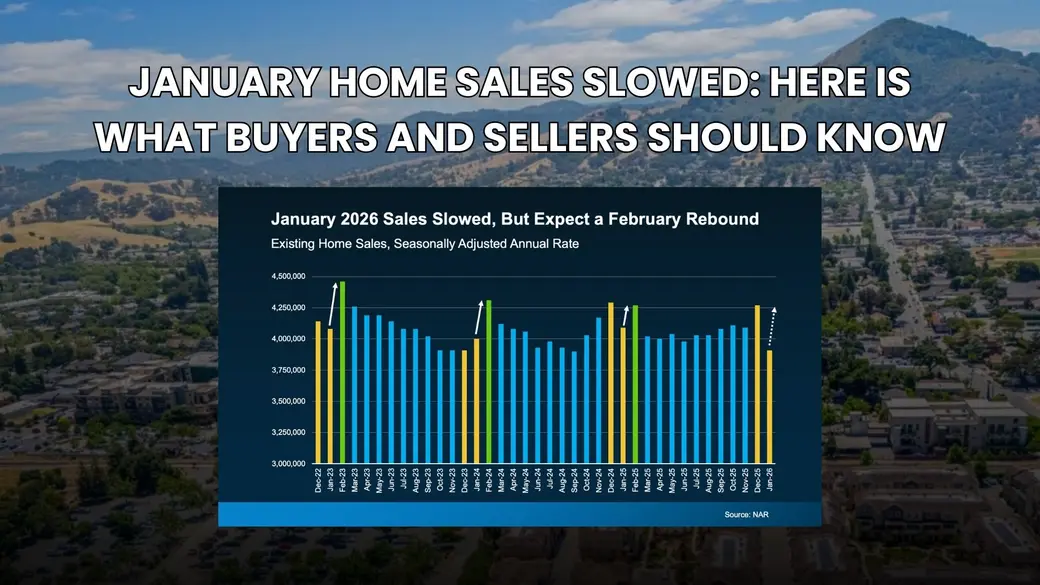
If you saw headlines saying home sales fell sharply in January, it may have raised concerns. Especially if you are thinking about selling.
The reality is far less dramatic.
Yes, home sales declined month over month. According to the National Association of Realtors, existing home sales dropped roughly 8.4 percent from December to January.
But context matters.
January Is Historically Slower
Home sales typically dip in January. The housing market follows seasonal patterns. Activity often slows during the winter months and begins picking up again in February and March as the spring market approaches.
Looking at the last several years, January declines have been common. It is part of the rhythm of real estate.
Weather Played a Role This Year
This year’s decline was somewhat steeper than usual. According to Realtor.com, widespread winter storms disrupted inspections, appraisals, final walk-throughs, and closings in many states.
It is important to understand what existing home sales data measures. It tracks closed transactions, not newly signed contracts. When weather delays closing steps, those transactions typically shift into the following month rather than disappear entirely.
In other words, many January sales may simply close later.
What This Means for Silicon Valley
Silicon Valley does not experience the same level of severe winter weather as much of the country. That means local data can behave differently from national averages.
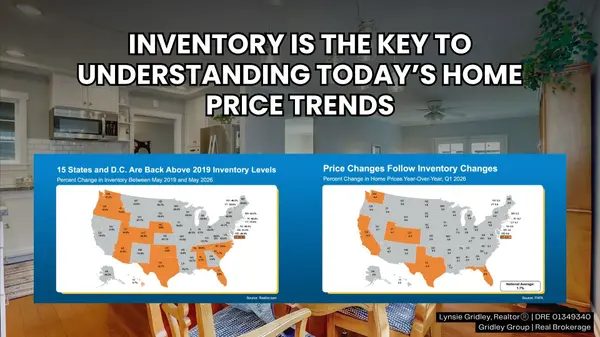
More importantly, broader trends such as improving affordability and increasing inventory are still in place. Those fundamentals matter more than one monthly headline.
Buyers are seeing slightly better conditions than they did a year ago. Mortgage rates are lower than recent peaks. Inventory is gradually improving. These shifts support activity as we move toward spring.
Should Sellers Be Concerned
A single winter month does not define the year.
If you are preparing to sell in Silicon Valley, the factors that matter most are local inventory levels, pricing strategy, and buyer demand in your specific neighborhood and price range.
Seasonal slowdowns are expected. Momentum typically builds as we enter the spring market.
Bottom Line
January’s slowdown reflects seasonality and weather, not a sudden drop in demand.
For buyers and sellers in Silicon Valley, the bigger story is improving affordability and gradually rising inventory. If you have questions about how national headlines apply locally, looking at neighborhood-level data will provide a clearer picture.
Recent Posts



Her expert knowledge, negotiation, and marketing skills combined with her high level of commitment provide a framework for lasting relationships. Lynsie commits to “Bringing you the Best!”